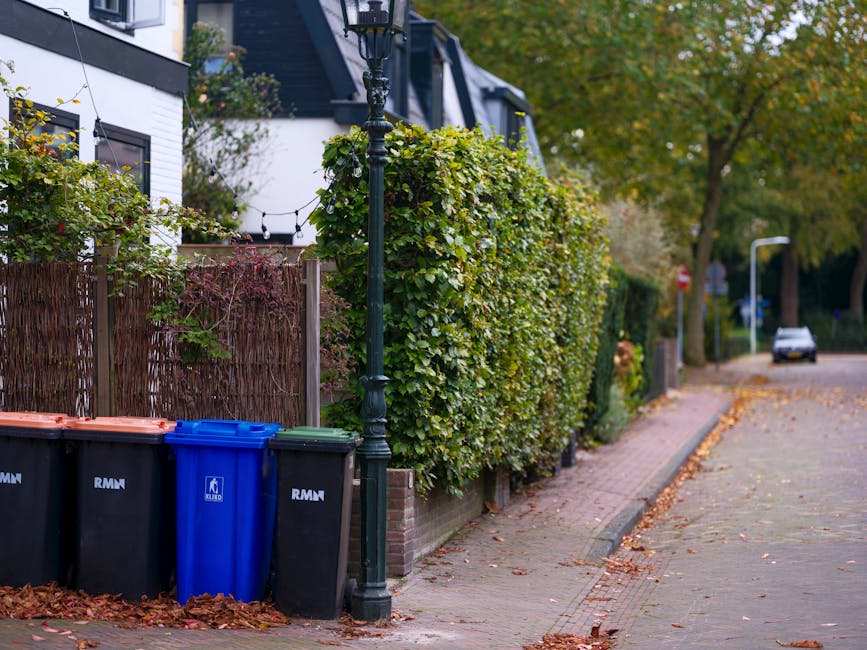
What to know about Sutton Council garden waste rules
If you live in Sutton and your garden seems to produce endless bags of grass cuttings, hedge trimmings, leaves, and the odd bit of soil, the rules around disposal can feel strangely confusing. One week it's a full green bin. The next, it's a pile of clippings that won't fit, and you're left wondering what counts, what doesn't, and whether you need a separate arrangement at all. That is exactly why understanding What to know about Sutton Council garden waste rules matters.
This guide breaks the topic down in plain English. You'll get a practical view of how garden waste is typically handled, why the rules matter, where people often go wrong, and how to stay on the right side of local expectations without making your weekend harder than it needs to be. Truth be told, a little clarity here saves a lot of mess later.
Table of Contents
- Why Sutton Council garden waste rules matter
- How the garden waste system works
- Key benefits and practical advantages
- Who this is for and when it makes sense
- Step-by-step guidance
- Expert tips for better results
- Common mistakes to avoid
- Tools, resources and recommendations
- Law, compliance, standards and best practice
- Options and comparison
- Case study or real-world example
- Practical checklist
- Conclusion
- Frequently asked questions
Why Sutton Council garden waste rules matter
Garden waste looks harmless. It's only leaves, grass, twigs, and a few prunings, right? But councils treat it carefully because it affects collection efficiency, recycling quality, and how much mixed material ends up in the wrong place. If green waste is contaminated with rubble, food scraps, or plastic bags, it can stop being recyclable in the way people expect.
For residents, the rules matter for another simple reason: garden waste is one of the easiest household waste streams to get wrong. A bag of hedge cuttings might seem fine until it's placed in the wrong container, overloaded beyond what the collector will take, or mixed with materials that are not accepted. Then you've got delays, extra effort, and sometimes extra cost. Nobody wants to haul a soggy bag back across the patio on a drizzly Tuesday morning.
There's also a broader local angle. Sutton, like many London boroughs, needs garden waste to be handled consistently so the system stays efficient and environmentally sensible. That means knowing what belongs in the collection, what must be removed, and what alternative options are available if you generate more waste than the standard arrangement can handle.
Key takeaway: Garden waste rules are less about bureaucracy and more about keeping collections reliable, recyclable material clean, and your garden clear without avoidable hassle.
How Sutton Council garden waste rules work
The exact setup can vary over time, so the safest approach is to understand the type of rules councils usually apply, then check your current local instructions before you put anything out. In practical terms, Sutton Council garden waste arrangements usually revolve around what can be collected, how it should be presented, and whether you need a specific subscription or service to use the collection.
Garden waste normally includes organic material from outdoor maintenance, such as grass cuttings, leaves, plant trimmings, small branches, and weeds. Some items may be accepted in limited forms, while others are usually excluded because they damage processing quality or pose safety problems. Compostable does not automatically mean collectable. That distinction catches people out all the time.
Most residents will want to check three things:
- What the collection accepts - for example, grass, hedge clippings, small prunings, leaves, and weeds.
- How it must be presented - whether in a council bin, reusable sack, or another approved container.
- Whether the service is paid-for or included - some garden waste services are subscription-based or limited by local policy.
If you already use other home and garden services, the same practical mindset helps here too. Regular garden maintenance makes waste easier to manage in smaller, cleaner batches, while larger clear-outs may need a more flexible collection approach. That's where services like garden maintenance and garden clearance can be useful as part of a tidy-up plan, especially after a big seasonal cutback.
A key point: garden waste collections are usually designed for green, biodegradable garden material, not general rubbish. If you're tossing in soil, stones, plastic ties, or plant pots, you are very likely outside the normal rules. And yes, even a small amount of contamination can matter.
Key benefits and practical advantages
Following the correct garden waste rules is not just about compliance. It actually makes life easier in several ways.
Cleaner and more predictable collections
If you sort waste properly, collection day is calmer. Bags don't split, bins are lighter, and you avoid that annoying "left behind" situation where the collector refuses a container because it contains the wrong material. You notice the difference most on busy mornings, when everyone in the street is dragging bins to the kerb and hoping for the best.
Better recycling outcomes
When garden waste is kept clean, it can be processed more effectively. That helps support composting or other organic recovery routes rather than sending mixed waste into a less useful stream. The idea is simple: the cleaner the waste, the better the end result.
Less odour, less mess, less stress
Let's face it, rotting grass clippings in a black sack can become unpleasant fast, especially in warmer weather. Using the right system reduces smell, leakage, and accidental mess around your driveway or path. A tidy container also makes your property look better while you wait for collection.
Better planning for larger jobs
Knowing the rules helps you decide whether a routine collection will be enough or whether you need a bigger clear-out approach. If you are cutting back a hedge, pruning shrubs, or removing overgrown beds, a planned method saves time. For more substantial work, combining waste handling with hedge trimming or tree lopping and removal can make the whole job more manageable.
| Approach | Best for | Why it helps | Watch out for |
|---|---|---|---|
| Routine council collection | Small to medium amounts of clean green waste | Convenient and predictable | Contamination and overfilling |
| Garden clearance | Large seasonal build-ups, overgrown plots | Removes bulky waste quickly | Mixing garden waste with general rubbish |
| Ongoing maintenance | Regular gardens that produce steady clippings | Keeps waste volumes lower | Ignoring accumulation between visits |
Who this is for and when it makes sense
These rules matter for more people than you might think. If you have even a modest garden, you will probably run into them at some point. In our experience, the people who benefit most are not necessarily the ones with the largest plots. Sometimes it's the small front garden that fills up fastest after a tidy-up.
Homeowners with regular garden maintenance
If you mow, prune, and weed regularly, you'll generate a steady stream of garden waste. Understanding the collection rules helps you stay on top of it before it becomes a weekend mountain. This is especially relevant if you already use lawn mowing or broader garden maintenance support.
Residents doing seasonal clear-outs
Spring and autumn are the classic trouble spots. One month the garden is full of fallen leaves; the next, it's the aftermath of trimming, deadheading, and clearing tired growth. If you wait too long, the waste builds up quickly and becomes awkward to handle.
People managing shared spaces or rental properties
Shared gardens can create confusion because no one person feels fully responsible. A simple process helps: agree where green waste goes, what bags or bins are allowed, and who checks the rules. Small thing, big difference.
Anyone with bulky or woody waste
Once you move into branches, trunks, and thicker woody cuttings, the disposal question becomes more complicated. Those items may not fit standard garden waste collection requirements, and they may need separate handling. If the pile is getting unruly, a landscaping or clearance approach is often more sensible than trying to cram everything into a bin and hoping the lid will somehow behave.
Put plainly: if your garden produces waste regularly, or if a one-off project has left you with more than a few bags, it makes sense to understand the rules before collection day arrives. That little bit of preparation saves effort later. Always.
Step-by-step guidance
If you want a straightforward way to handle Sutton garden waste without second-guessing yourself, use this process.
- Identify the waste type. Separate grass, leaves, weeds, hedge trimmings, and small branches from general rubbish, stones, plastics, and plant containers.
- Check what is accepted locally. Review the current council guidance before filling containers. Rules do change, and assumptions are where problems start.
- Remove contamination. Pull out ties, tape, labels, plastic bags, pots, and any non-organic material. If a bit of compost looks harmless, it still may not belong.
- Prepare suitable containers. Use the approved bin, sack, or other allowed format. Do not overfill it; the lid should close properly if a bin is used.
- Keep waste light and manageable. Let grass dry a little before bagging if possible, and chop larger branches down to an acceptable size.
- Present it on the correct day. Put the container out where required, and make sure access is clear.
- Review leftovers. If the collection misses anything, work out whether the issue was contamination, overfilling, weight, or the wrong material.
A useful habit is to deal with waste in stages rather than all at once. A Saturday morning cutback followed by immediate sorting is far easier than a wet pile of mixed clippings left at the bottom of the garden until Monday. Been there, regretted that.
If you are handling a bigger outdoor project, it can help to pair waste preparation with the right service planning. For example, landscaping work may create mixed waste streams, while simple maintenance usually creates cleaner green waste. The more clearly you define the job, the easier it is to dispose of the by-products properly.
Expert tips for better results
These are the small habits that make a surprisingly big difference.
Keep green waste clean from the start
It is much easier to avoid contamination than to pick it out later. Use a separate trug, pile, or sack for garden material as you work. If you are pruning near a fence, don't let bits of broken plastic, wire, or old plant supports end up in the mix.
Think about volume before you cut
If a hedge is badly overgrown, the waste can double or triple your expected amount. Before starting, ask yourself: where will all this go? A quick volume check avoids the classic "I thought one bin would be enough" moment.
Let wetter material drain if possible
Fresh grass and damp weeds weigh more and can smell quicker. If appropriate, let them dry briefly before bagging. Not too long, mind you. You do not want a forgotten pile turning into something the neighbours quietly complain about when the wind changes.
Use a maintenance rhythm
Smaller, regular cuts create smaller waste loads. That is why ongoing garden maintenance often works better than occasional hard resets. For many households, a regular routine is simply less stressful than wrestling one giant seasonal pile.
Match the disposal method to the job
If you are only clearing a few bags, a normal collection may be enough. If you are stripping back shrubs, removing dead trees, or opening up an overgrown corner, a larger clearance plan is usually more practical. The trick is not to overcomplicate a small job or underserve a big one.
Common mistakes to avoid
The same mistakes come up again and again. Most are avoidable once you know where the traps are.
- Mixing green waste with general rubbish. Food packaging, plastics, and household rubbish are common contaminants.
- Including soil or rubble. These are not the same as garden waste and can cause rejection.
- Overfilling containers. If the bin lid cannot close or a sack bursts, it may be refused.
- Leaving thick branches too long. Large woody material may need breaking down or a different disposal route.
- Using black bags without checking rules. Some waste may be accepted in bags, but not always, and bag type matters.
- Forgetting about weeds with seed heads. These can spread if handled carelessly, so bagging and timing matter.
- Assuming all councils do it the same way. London boroughs can differ, so what worked elsewhere may not apply in Sutton.
The sneaky one is contamination. A container can look nearly perfect and still be wrong because of one stray plant pot or a handful of stones from the border. It happens. More often than people admit.
Tools, resources and recommendations
You do not need fancy kit, but a few basic tools make garden waste handling much easier.
- Strong garden gloves for thorny cuttings and rough branches.
- A sturdy rake to gather leaves efficiently.
- Bypass secateurs or loppers for reducing branch size.
- Reusable tubs or sacks for separating green waste as you work.
- A wheelbarrow if your garden has awkward access or a long path to the front.
- Tarpaulin for collecting material cleanly on patios or lawns.
If the work is larger, planning matters as much as tools. A simple checklist, a spare pair of hands, and a clear sorting area can turn a frustrating task into a controlled one. That sounds almost too basic, but honestly, it works.
For ongoing property care, consider how garden waste links with wider outdoor upkeep. Services such as landscape gardening, landscaping, and decking services can all affect how much waste you generate and how easy it is to manage. If you are also thinking about environmental responsibility, the page on recycling and sustainability is a useful companion read because waste handling is never just about one bin on one day.
Law, compliance, standards and best practice
For this topic, the safest way to think about compliance is simple: follow the current Sutton Council instructions exactly, and do not guess. Local waste rules are often shaped by practical collection limits, recycling requirements, and safety considerations. If a container is overfilled, contaminated, or presented in the wrong format, collection crews may refuse it.
Best practice is not glamorous, but it is effective:
- Use only the container or method the council allows.
- Keep garden waste separate from household rubbish.
- Avoid putting in items that are not biodegradable garden material.
- Make sure the waste is easy and safe to collect.
- Check current guidance before any large seasonal clear-out.
If you hire outside help, ask how waste is handled, whether it is sorted on site, and whether the company follows proper safety and disposal practices. That is a fair question, not a fussy one. It's your property and your responsibility at the end of the day. A reputable provider should be able to explain how they manage garden waste, especially if the work includes hedge trimming, clearance, or tree removal.
For transparency around business practices, it can also help to review insurance and safety information and the health and safety policy. If you want a broader picture of the company behind the service, the about us page is useful too.
Options and comparison
There is no single right way to manage garden waste. The best method depends on volume, frequency, and how tidy you want the process to be.
| Option | Best for | Pros | Cons |
|---|---|---|---|
| Council garden waste collection | Routine green waste | Convenient, local, predictable | Must follow exact council rules; may have limits or fees |
| DIY bagging and kerbside presentation | Small, simple jobs | Low-cost, flexible | Can be messy; bags may split; manual lifting required |
| Planned garden clearance | Large volumes or one-off jobs | Fast, comprehensive, less hassle | Needs scheduling and may cost more |
| Ongoing garden maintenance | Regular upkeep | Keeps waste low over time | Requires consistency |
If your garden is small and regularly maintained, the council route may be enough. If you are clearing a neglected border or reshaping a tired back garden, a clearance or landscaping approach usually makes more sense. The best option is the one that fits the amount of waste you actually have, not the amount you wish you had. Minor difference, but important.
Case study or real-world example
Imagine a typical Sutton back garden in early autumn. The lawn has been cut, the hedge has had a hard trim, and a couple of beds have been cleared back after summer. By the end of the afternoon, there are three bags of soft green waste, a bundle of twiggy cuttings, and a small pile of leaves that keep drifting under the fence every time the wind picks up.
The first instinct might be to squeeze everything into one container. But that is where trouble starts. The hedge waste is awkward, the leaves are light but bulky, and the small branches may not fit comfortably. Instead, the smarter approach is to sort the waste as you go, keep the clean green material separate, and decide whether the final volume is realistic for the normal collection method.
In a case like that, a homeowner would usually save time by doing a short second pass: remove anything non-organic, cut the branches down a bit more, and bag the loose leaves separately. If the waste still exceeds what the local collection can sensibly take, a garden clearance becomes the more practical answer. Nobody enjoys dragging six overstuffed sacks through a narrow side return at dusk. It's one of those tasks that feels bigger after the first trip than before it.
The useful lesson is this: waste rules are easier to follow when you plan around the job before you start, not after you have already got clippings all over the paving.
Practical checklist
Use this before collection day or before starting a bigger garden job.
- Have I checked the current Sutton Council garden waste guidance?
- Is my waste purely garden material, with no plastic, rubble, or household rubbish mixed in?
- Are branches and hedge cuttings reduced to a manageable size?
- Is the container the correct type and not overfilled?
- Will the waste be easy to move, lift, and collect safely?
- Do I need a routine collection, a one-off clearance, or ongoing maintenance support?
- Have I separated anything that may need special handling?
- Is my presentation area clear and accessible?
- Do I know what to do if the collection is missed or refused?
That checklist is simple, but it catches most of the common issues. And if you are in doubt, pause and sort first. It saves time in the long run.
If you are unsure how your garden waste should be handled, the safest move is to review the current local guidance before putting anything out. A few extra minutes now can prevent a whole day of hassle later.
Conclusion
Knowing What to know about Sutton Council garden waste rules is mostly about staying organised, avoiding contamination, and choosing the right disposal method for the amount of waste you actually have. Small jobs are easy when the material is clean and sorted. Bigger jobs need a bit more planning, especially if you are dealing with hedges, woody cuttings, or a seasonal clear-out that got out of hand.
The good news is that once you understand the basics, the process becomes much simpler. You waste less time, create less mess, and avoid those frustrating collection-day surprises. And honestly, that's the whole game here: a tidy garden, a clear path, and no awkward bags sitting out because something wasn't quite right.
Get a free quote today and see how much you can save.
Sometimes the best thing you can do for a garden is simply get the waste sorted properly and let the space breathe again.
Frequently Asked Questions
What counts as garden waste in Sutton?
Garden waste usually means organic material from outdoor maintenance, such as grass cuttings, leaves, weeds, hedge trimmings, and small branches. It does not normally include soil, stones, plastic pots, general rubbish, or food waste. If it didn't grow in the garden and won't naturally break down in the right system, it probably does not belong.
Do I need a special bin for garden waste?
That depends on the current local arrangement. Some councils use a dedicated bin or subscription service for garden waste, while others apply different collection rules. The important part is to check the current Sutton guidance before assuming your household bin is acceptable.
Can I put grass cuttings in a black bag?
Sometimes people do bag grass cuttings, but bag type and local rules matter. The main issue is not the colour of the bag itself; it is whether the council accepts it and whether the contents are clean, manageable, and easy to collect. Wet grass also gets heavy fast, so think practical as well as permitted.
What should I do with small branches and hedge trimmings?
Small branches and hedge trimmings are often accepted as garden waste if they are cut down to an appropriate size and kept free of contamination. Larger woody material may need separate handling. If the pile is awkward, a clearance service can be more efficient than trying to force it into a standard collection setup.
Can I include weeds and dead plants?
Yes, those are commonly part of garden waste, but they should be free from plastic ties, labels, or other non-organic material. If weeds have gone to seed, bagging them carefully helps avoid spreading them around the garden again. Small detail, big impact.
What happens if my garden waste is contaminated?
If it contains the wrong items, the collection may be refused or left behind. Contamination makes processing harder and can turn recyclable green waste into a problem load. It is one of the simplest issues to avoid, yet it causes a lot of frustration.
Is garden waste collection free in Sutton?
That depends on the current council service structure. Some local garden waste schemes involve a charge, subscription, or specific arrangement. Because these details can change, it is best to check the latest Sutton Council information rather than rely on hearsay from next door.
How can I tell if I need garden clearance instead of council collection?
If you have a one-off large pile, a badly overgrown garden, thick branches, or mixed waste from a bigger project, garden clearance may be the better option. If the waste is light and regular, routine collection or maintenance is usually enough. A quick reality check before you start often makes the choice obvious.
Can I mix soil with garden waste?
Usually not. Soil, turf, and rubble are often treated separately from standard green waste because they are heavier and handled differently. Mixing them in with clippings is a common mistake and can cause the collection to be rejected.
What is the easiest way to avoid problems on collection day?
Keep the waste clean, separate, and within the allowed container or format. Do not overfill it, and do not assume all organic-looking material is acceptable. If in doubt, sort first and check the rules before you put anything out. That one habit solves a lot.
Do I need to worry about safety when handling garden waste?
Yes, especially with sharp branches, thorny shrubs, damp surfaces, and heavy bags. Use gloves, lift carefully, and avoid overloading containers. If the job is large, it may be safer and simpler to have it handled as part of a proper garden service rather than tackling everything in one go.
Where can I get help if my garden waste job is too big?
If the waste is more than you can easily manage yourself, look at support for garden clearance, ongoing garden maintenance, or related outdoor work. Services such as lawn mowing, hedge trimming, and landscaping can reduce the volume of future waste too, which is often the best long-term fix. A calmer garden is usually a cleaner one, too.